East End Arts Council

How to Learn an Instrument as an Adult Without Getting Frustrated

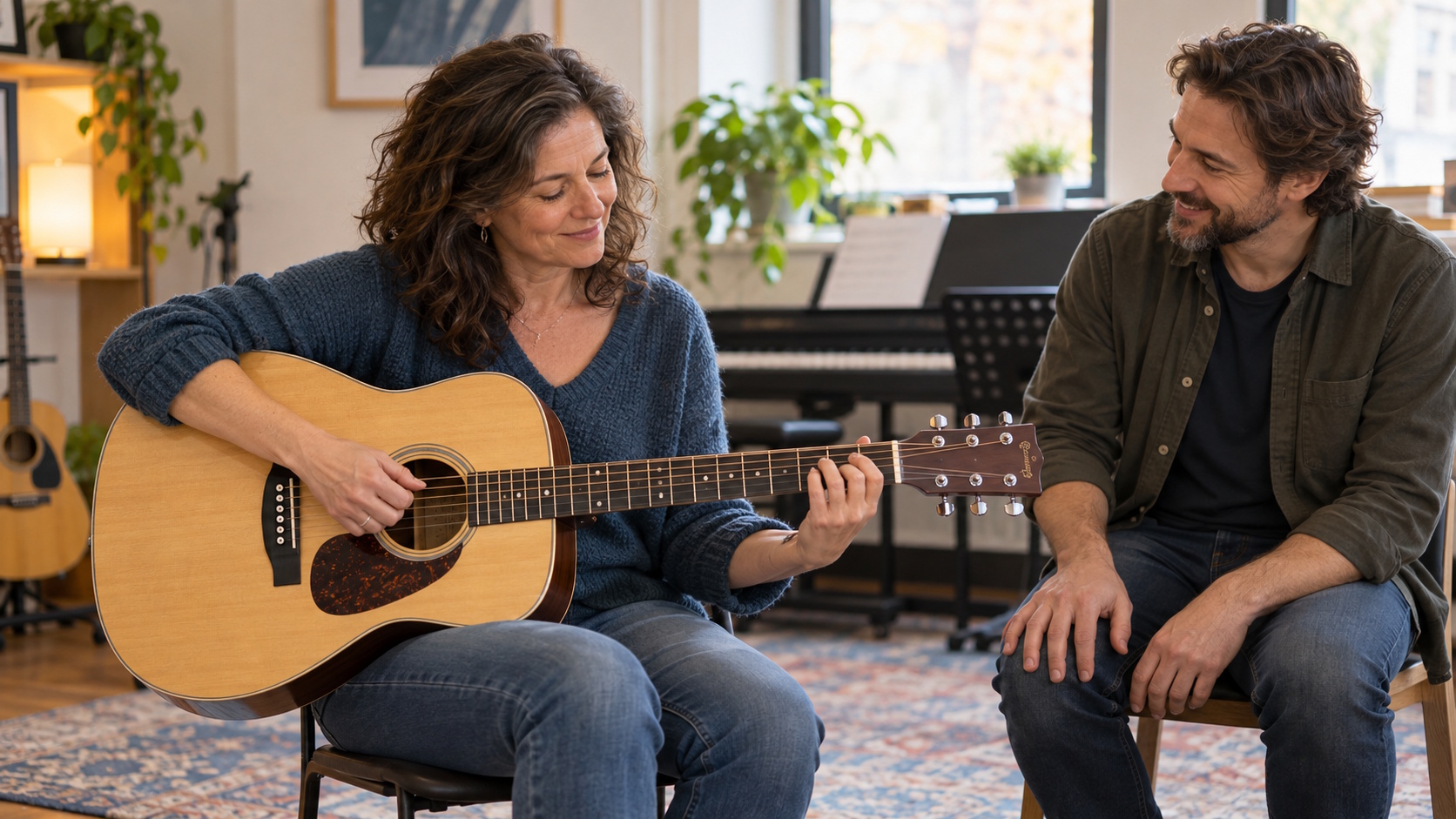
You finally pick up that guitar or sit down at the piano, excited to begin. Then your fingers refuse to cooperate, a simple rhythm feels surprisingly difficult, and you wonder whether you started too late.

That frustration is understandable. Your musical taste may be well developed, while your playing skills are brand new.

Learning how to learn an instrument as an adult starts with closing that gap patiently. At East End Arts Council, we believe you deserve a learning experience that makes room for mistakes, busy schedules, and music you actually enjoy.

Choose an Instrument That Fits Your Life

Consider More Than Which Instrument Seems Easiest

An instrument’s sound should make you want to return to it. Choosing solely because something seems easy can leave you practicing music that never interested you.

Consider practical details, too:

  • Practice space: Can you comfortably leave the instrument accessible?
  • Noise: Would a digital piano with headphones suit your household?
  • Physical fit: Does the instrument feel manageable when you hold or play it?
  • Equipment: What will you need beyond the instrument, such as a stand, tuner, or maintenance supplies?

Before buying, ask an instructor about suitable beginner equipment. Our guide to learning a musical instrument explores additional considerations.

Set Goals You Can Actually Measure

Turn “Get Better” Into One Specific Task

“Learn guitar” is an ambition. “Switch between two chords while keeping a steady beat” gives you something concrete to practice.

Choose a small weekly goal with your teacher. Examples include playing four measures slowly, recognizing five notes, or maintaining a simple rhythm for thirty seconds.

Avoid attaching your progress to someone else’s timeline. A returning musician, a complete beginner, and someone practicing daily have different starting points.

Give yourself permission to use simplified arrangements. Playing an accessible version of a favorite song can be more satisfying than struggling through an arrangement beyond your current skills.

Build a Practice Routine That Survives Busy Weeks

Give Each Short Session a Purpose

Start with a manageable commitment, such as fifteen minutes on four days each week. Try this structure:

  • Three minutes: Warm up with relaxed movements and familiar material.
  • Five minutes: Work on one specific difficulty.
  • Five minutes: Apply that skill to a short musical passage.
  • Two minutes: Play something enjoyable and note your next step.

Keep your music and supplies ready, and connect practice to an existing habit, such as finishing breakfast.

On unusually busy days, try five focused minutes. After a missed session, simply resume rather than attempting an exhausting catch-up marathon. Our tips on how to practice music effectively offer more ways to organize your time.

Troubleshoot Mistakes Instead of Repeating Them

Make the Difficult Part Smaller

When the same mistake keeps happening, stop playing the entire song from the beginning. Isolate the transition or measure causing trouble.

Then simplify:

  1. Clap the rhythm without playing the notes.
  2. Practice the fingering or movement slowly.
  3. Recombine the elements at a comfortable tempo.
  4. Add the measure before and after the difficult spot.

On piano, you might practice each hand separately. On guitar, rehearse the chord change without strumming before adding the rhythm.

If a metronome makes you rush or tense up, lower the tempo. Increase speed gradually only when you can maintain control.

Notice Tension Before It Takes Over

Check your shoulders, wrists, grip, and breathing when frustration rises. Pause, release unnecessary effort, and restart with a smaller task.

Ask your teacher to review your setup and technique if playing feels strained. Forcing your way through discomfort rarely makes a practice session more productive.

Get Feedback and Make Progress Visible

Bring Specific Questions to Your Lessons

Instead of saying, “I couldn’t play this,” identify what happened: “I lose the beat when I change chords.”

An instructor can help you distinguish a rhythm problem from a fingering, posture, or difficulty-level issue. Our private music lessons provide individual instruction tailored to your goals and experience.

Record the same short passage every two weeks at a similar tempo. Listen for steadier timing, clearer notes, and fewer pauses. These small changes can be easy to overlook during daily practice.

Keep Music Enjoyable and Connected

Not every session needs to introduce something harder. Revisit familiar pieces, experiment with a melody, or play for someone supportive.

When you feel ready to explore group playing, ask us whether our Bandspace program fits your experience and goals.

Understanding how to learn an instrument as an adult means building a routine you want to continue. At East End Arts Council, we welcome learners of all ages and abilities. Contact our team to discuss your interests and arrange a trial music lesson. Your first goal can be simple: begin, stay curious, and enjoy making music.

Support Us

Become A Member

Partner With Us